Introduction
The fusion of technology and creativity has reached a pivotal point in 2026. Immersive environments, AI-generated art, and blockchain-powered intellectual property rights are no longer futuristic ideas; they are today’s digital reality. As industries evolve around virtual platforms, a new term is gaining awareness across tech communities and creator forums alike: Artaverse.
The concept of Artaverse represents a growing initiative to harness technology for creative empowerment. Whether it’s through digital galleries in the metaverse, real-time collaboration among remote creators, or platforms that tokenize and protect original works, Artaverse explores how creativity can find new form and function in a decentralized digital ecosystem. In this article, we’ll explore the fundamental ideas behind Artaverse, the technologies driving it, and how it may reshape how we perceive, produce, and protect art in a hyper-connected world.
Understanding the Artaverse Movement
Artaverse is more than a branding term. It symbolizes a hybrid technological framework where artistic expression is facilitated by immersive tools and decentralized infrastructures.
Core Components Often Tied to the Artaverse:
- Virtual and augmented reality (VR/AR) platforms for exhibition
- Blockchain authentication for digital artwork ownership
- AI tools aiding in conceptual art creation or mixed media
- Web3-based creator economies and smart contracts
Rather than being isolated, these systems work together to create a seamless ecosystem of access, authenticity, and immersive experience. In short, the Artaverse anchors art in the next phase of digital evolution.
Evolution of Artistic Mediums Through Technology
From cave paintings to machine-generated sketches, the evolution of artistic tools has always reflected technological progress. The 2020s saw an explosion of new mediums made possible by tech.
| Era | Dominant Medium | Key Driver |
| Analog | Paint, sculpture | Material resources |
| Digital Early | Photoshop, digital cameras | Personal computing |
| Present/Future | AI, VR, blockchain | Intelligent systems |
Today’s creators are no longer bound by physical limitations. Technologies like neural net-based rendering, mixed reality environments, and tokenized storytelling platforms allow an artist to build worlds not just images.
Platforms inspired by the Artaverse empower artists to create dialogue-backed, interactable content in real-time. The results are collaborative, adaptive, and increasingly immersive.
Immersive Reality and the Virtual Gallery Experience
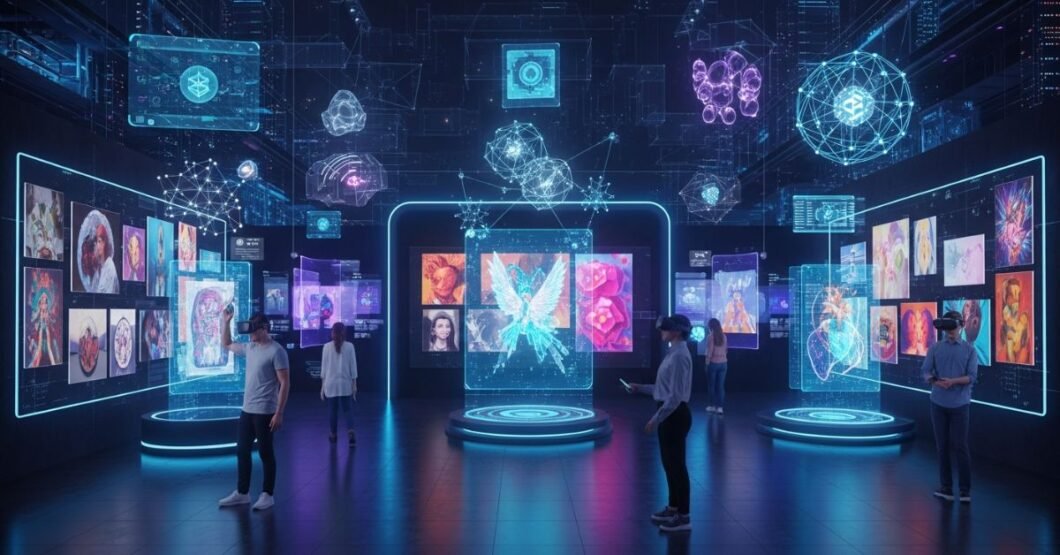
Gone are the days when art was only hung on static white walls. VR galleries in platforms like Spatial and Decentraland now enable creators to curate virtual exhibitions accessible globally, 24/7.
Features redefining the gallery norm:
- 3D rendering of physical pieces
- Interactive narrative layers
- Real-time chats during viewings
- VR preview rooms filtered by sensory preferences
These spaces remove geographic divides, allowing creators to connect directly with global collectors or enthusiasts. Artaverse as a model encourages virtual curatorial agency, giving creators control over medium, message, and monetization.
Blockchain and Digital Provenance: Protecting Creativity
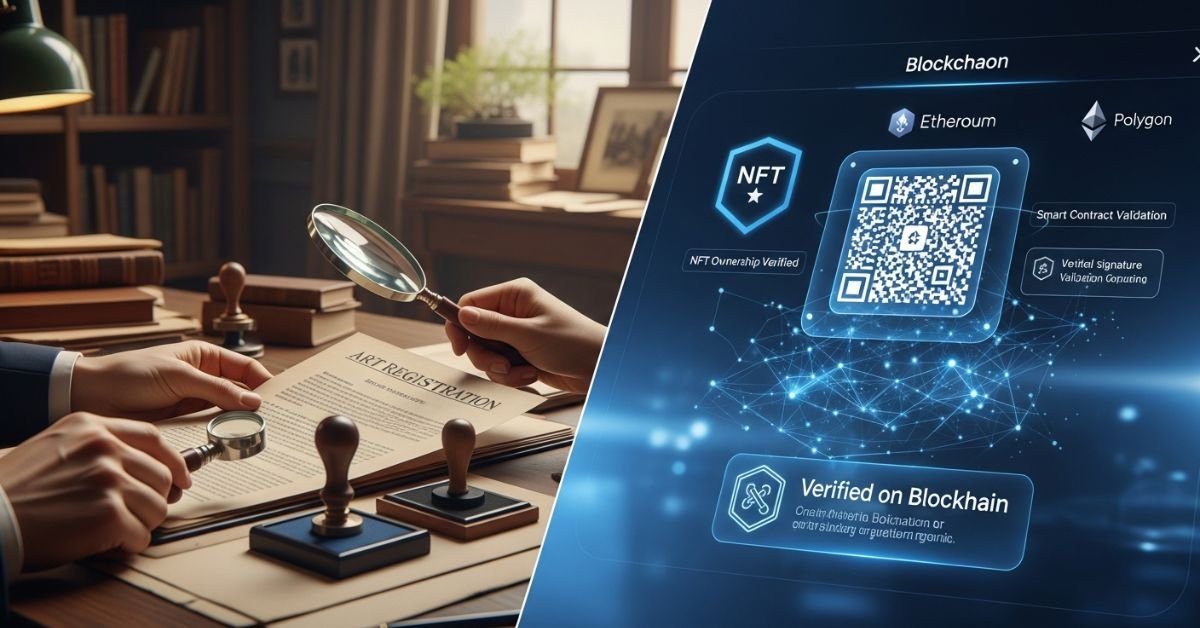
The biggest challenges faced by digital creatives often stem from duplication, piracy, and unauthorized distribution. Blockchain’s decentralized ledger solves this by enabling ownership validation, timestamping, and transaction history traceability through NFTs and smart contract systems.
| Feature | Traditional Art Registration | Blockchain-Based Provenance |
| Storage Location | Physical archive | Decentralized ledger |
| Ownership Certificate | Paper form, easy to forge | Tokenized ledger ID |
| Transfer Process | Legal overhead | Smart contract execution |
Smart contracts in the Artaverse protect creators by enforcing resale rights, automating royalties, and linking owners to authentic versions of the work permanently.
AI’s Role in Augmenting (Not Replacing) Human Creativity
For many, artificial intelligence in art creates discomfort prompting debate about authenticity and originality. But forward thinkers in 2026 have shifted the narrative: AI, when used well, becomes a co-creative tool, not a competitor.
Real use cases:
- AI-generated design drafts the artist refines
- Neural art filters that adjust based on user moods
- Prompt-based storytelling tools
- Machine analysis of prior work to suggest new themes
Artaverse-aligned platforms encourage AI as a brushstroke, giving creatives the tools to prototype, iterate, and even collaborate faster.
Building Communities in Web3-Fueled Creator Economies
Web3 infrastructure enables community-powered platforms that allow artists to reward loyal audiences, run member-only updates, or fund creative projects.
Systems gaining traction:
- Token-gated newsletters offering behind-the-scenes insights
- DAO-style gallery curation, where collectors vote on art selections
- Community-supported drops and live events
- Micro-patronage via native platform tokens
The Artaverse supports a creator-first digital economy, where ownership isn’t about gallery walls but about shared values and direct interactions.
Revenue Models for the Modern Digital Creator
Traditional gallery commissions are often as high as 40–60%. Artaverse-inspired systems reduce friction between creator and consumer and increase upside.
| Revenue Model | Traditional | Artaverse-Aligned |
| Gallery sales | 40-60% commission | 90%+ to creator via NFT sales |
| Licenses handled by third parties | Manual relicense process | Smart licensing via blockchain |
| One-time sale only | Yes | Royalties on all resales |
These systems turn passive art viewing into networked earning opportunities, where curation, reuse, and resale all contribute to creator profits.
Ethical Considerations in Digital Art Ecosystems
With new tech come new ethical questions:
- Who owns AI-generated content?
- What happens if someone screenshots a VR gallery piece?
- Are audiences truly “present” in immersive exhibitions?
- Do algorithms help or hinder representation of marginalized voices?
Artaverse protocols often include participant consent models, community licensing, and permission-based entries, guiding developers toward transparent frameworks that protect all stakeholders.
Education and Skill Democratization Through immersive tech
Another benefit of cross-platform creativity is low-barrier education. Aspiring creators in 2026 can learn concept art, crypto-literacy, and VR exhibition design all from their home studio.
Key offerings seen in Artaverse environments:
- Live creation streams
- Recorded skill-share libraries
- Mentorship token access
- Modular learning in mixed environments (VR + mobile)
By lowering the gatekeeping wall, the Artaverse enables global creatives regardless of background to become digital artists, XR designers, or token curators.
Bridging Real and Virtual Worlds: Physical Ownership in Digital Assets
The line between “real” and “digital” art is already blurred. New technology links on-chain ownership to real-world pieces with tagging systems like NFC chips or digital twins.
In practice:
- Buying an NFT unlocks a physical sculpture delivery + rights license.
- Ownership updates on resale are confirmed via both token and serial chip.
- Galleries use VR replicas to handle pre-preview events before physical viewings.
Artaverse-inspired projects bind digital meaning to tangible assets, tackling the trust gap lingering in Web3 transactions.
FAQs
What is Artaverse?
“Artaverse” refers to the evolving digital ecosystem merging art, technology, and Web3 to empower immersive, transparent, and decentralized creativity.
Is Artaverse a metaverse project?
It’s not limited to the metaverse; Artaverse represents broader interconnected platforms uniting digital art tools, blockchain infrastructure, and creator communities.
How does Artaverse benefit artists?
It enables global reach, secure ownership, ongoing royalties, and immersive storytelling options without heavy traditional overhead.
Can AI art be part of the Artaverse?
Yes AI is tool-enhanced in this model, helping artists ideate and create without replacing human input or intent.
Do I need crypto experience to join Artaverse platforms?
Basic Web3 literacy helps, but many infrastructures now onboard users through wallet-free or one-click entry points for accessibility.
Conclusion
The future of creative work lies not in more platforms but more purposeful ones: interoperable, user-centric, and artist-protective. The vision of Artaverse doesn’t just echo VR buzzwords, it seeks to create cultural spaces where artists lead the technology, not the other way around.
As we continue into an era where expression increasingly happens through keyboards, code, and immersive canvases, platforms shaped around Artaverse ideals may well define how humanity remembers its digital age.