Introduction
The way we honor the deceased is both deeply personal and shaped by centuries of tradition. One word often used but sometimes misunderstood in this context is interment. Commonly mentioned in obituaries or funeral services, this term represents more than just burial; it encapsulates cultural rituals, spiritual values, and, increasingly, changing societal norms around death.
In this article, we offer a clear, culturally sensitive, and up-to-date guide for anyone seeking to understand the meaning, history, and relevance of interment in 2026. Whether you’re planning a ceremony, supporting a grieving friend, or simply exploring end-of-life customs, this guide will provide meaningful, respectful insight rooted in both tradition and innovation.
What Does Interment Really Mean?
At its core, interment refers to the ceremonial placement of human remains in their final resting place, typically in the ground. It is not limited to burial alone; it includes placement in tombs, crypts, and even ossuaries.
Definition Overview:
| Aspect | Definition |
| General Meaning | Placement of remains in a final resting space |
| Practice Type | Burial, entombment, or cremation interment |
| Legal Classification | Governed by national/state funeral regulations |
This term often appears in official documents such as wills, cemetery deeds, and death certificates, signifying both the end of a life and the start of remembrance.
Historical Evolution of Burial Practices
Interment dates back thousands of years, adapting and evolving across cultures, geographies, and spiritual beliefs. Understanding its history helps explain its enduring presence today.
Key Historical Phases:
- Prehistoric: Early humans buried their dead with tools, flowers, or animal bones.
- Ancient Civilizations: Egyptians perfected entombment; Romans used cremation urns and columbarium walls.
- Medieval Europe: Churchyard burials became the norm under Christian influence.
- Modern Era: Cemetery landscapes expanded, and public health laws formalized burial practices.
| Era | Common Practice |
| Ancient Egypt | Mummification + Tombs |
| Feudal Europe | Family Church Plots |
| 20th Century | Lawn Cemeteries |
These shifts hint at how both spiritual belief and practical needs shaped how societies said their goodbyes.
Different Forms of Interment Today
In modern times, interment practices are more diverse than ever. Families now choose based on spiritual, cultural, environmental, or personal preferences.
Major Forms:
- Ground Burial: Remains are lowered into a grave and marked with a headstone.
- Entombment: Bodies placed in crypts within mausoleums.
- Urn Interment: Ashes stored in columbariums or buried in small plots.
- Natural Burial: A growing trend; no embalming, using biodegradable caskets.
| Type | Environmental Impact | Cost Range (2026) |
| Traditional Burial | High | $7,000–$15,000 |
| Cremation + Interment | Moderate | $3,500–$6,000 |
| Green Burial | Low | $1,000–$4,000 |
Interment methods are increasingly shaped by eco-conscious decisions.
Cultural and Religious Significance
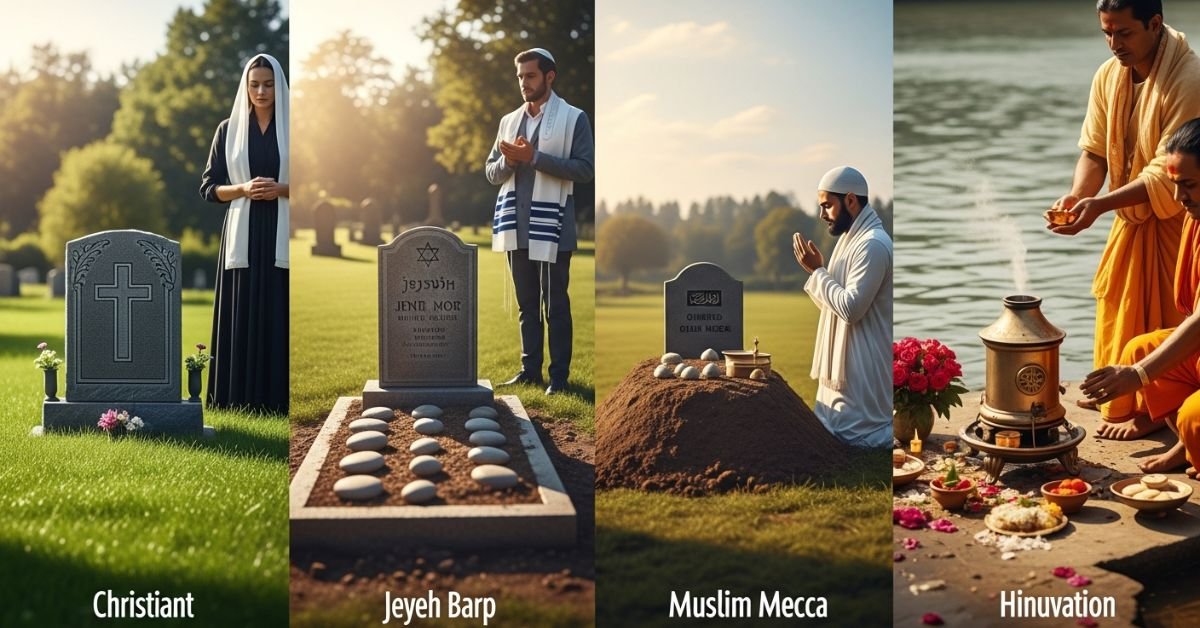
Interment plays a central role in death rituals across all major world religions. Each carries distinct traditions, mourning rituals, and theological meanings.
Religious Practices:
- Christianity: Ground burial is most common; some denominations now embrace cremation.
- Islam: Requires burial, typically within 24 hours, without embalming.
- Hinduism: Cremation is traditional; ashes are scattered, though interment of ashes is sometimes practiced.
- Judaism: Natural, simple ground burials align with humility and the dust-to-dust doctrine.
| Religion | Typical Interment | Restrictions |
| Christianity | Burial or crypt | Cultural |
| Islam | Ground, facing Mecca | No cremation |
| Hinduism | Cremation preferred | Burial rare |
| Judaism | Immediate ground burial | No embalming |
In a pluralistic global society, understanding and respecting these nuances is critical.
Legal and Logistical Aspects of Interment
In 2026, the process of interment involves specific legal, procedural, and administrative requirements, which vary by country and local jurisdiction.
Important Legal Components:
- Burial Permit: Issued after death certification
- Cemetery Deed: Legal right to use the plot
- Pre-planning Contracts: Can include casket, services, and site
Licensing Costs (U.S. Estimate, 2026):
| License Type | Avg. Cost |
| Burial Space | $2,400 |
| Opening/Closing Grave | $1,200 |
| Recording Fees | $100–$300 |
Understanding these logistics in advance helps families avoid stress during emotional times.
Environmental Impacts of Burial Methods
A growing debate revolves around the ecological effects of traditional interment. Embalming fluids, concrete vaults, and metal caskets contribute to long-term environmental pollution.
Eco Challenges:
- Soil chemical contamination
- Non-biodegradable casket build-up
- High land use in urban centers
To address this, many are choosing:
- Green cemeteries without vaults or embalming
- Mushroom burial suits and eco-pods
- Tree pod burials, turning ashes into living trees
| Burial Type | Biodegradability | Land Conservation |
| Traditional | Low | Minimal |
| Green/Natural | High | Moderate-high |
Consumers are now blending values with legacy, seeking sustainable memorials.
Modern Trends: Digital Tributes and Virtual Memorials
Digital innovation isn’t just transforming life it’s reshaping death, too.
New Innovations:
- Virtual Memorial Spaces: Customizable 3D gravesites in online worlds
- Blockchain Memorial IDs: Immutable death records with digital legacies
- Augmented Reality Headstones: When scanned, display life stories or videos
Usage Data (2026):
| Feature Type | User Growth Rate |
| Virtual Cemeteries | +18% per year |
| AR Headstones | +12% |
| AI-generated Eulogies | +22% |
These options give families new ways to remember beyond physical space—especially for diasporic communities or global families.
Costs and Financial Considerations
Budgeting for interment is one of the most critical—and often overlooked—decisions in end-of-life planning.
Typical Costs Across Services:
- Funeral Service: $4,000–$10,000
- Casket: $2,000 (steel) to $8,000 (mahogany)
- Grave Marker: $500–$5,000
- Ongoing Maintenance Fees (cemeteries): $100/year average
To reduce stress:
- Compare plans from multiple providers
- Ask about installment or insurance-backed prepayment plans.
- Avoid emotional upselling during grief.
Cost-efficiency doesn’t mean disrespect; it means preparation in honor.
How to Choose the Right Interment Option
Choosing how to lay someone to rest or how you wish to be remembered requires reflection across several dimensions.
Consider:
- Beliefs: Honor spiritual or religious conviction.
- Budget: Find an option within financial reach.
- Legacy Vision: Do you want a physical space or digital tribute?
- Location: Accessibility for family or cultural geography.
Quick Planner Table:
| Preference Type | Suggested Approach |
| Eco-conscious | Green burial |
| Religious observance | Traditional ground interment |
| Low-cost | Cremation + minimal ceremony |
| High personalization | Digital + hybrid services |
Talking openly with loved ones ensures that decisions reflect personal values, not last-minute pressures.
Planning Ahead: Why Pre-Arrangement Matters
Pre-planning your burial or that of a loved one can reduce legal, financial, and emotional distress at an already difficult time.
Benefits:
- Fixed costs protect against inflation
- Ensures wishes are honored without guesswork
- Provides peace of mind
Preplanning Tips:
- Document specific interment preferences
- Make financial arrangements with reputable providers
- Store planning documents and digital assets securely
Starting the conversation doesn’t invite death it ensures that a life is honored your way.
FAQs
What does interment mean in a cemetery?
It refers to placing human remains within a grave, crypt, or urn repository.
Is interment different from burial?
Burial is one form of interment; interment can include other methods like entombment or urn placement.
Can ashes be interred?
Yes, cremated remains can be placed in plots, columbariums, or natural locations.
Are there eco-friendly interment options?
Yes, green burials and biodegradable pods are rapidly growing in popularity.
Does interment require a religious ceremony?
No, while many families include spiritual elements, it’s not legally required.
Conclusion
Understanding interment is about more than knowing a definition; it’s about recognizing the cultural, emotional, financial, and spiritual weight of saying goodbye. In 2026, the traditions surrounding death are expanding, allowing individuals and families to tailor memorials that reflect evolving values, technology, and sustainability.
Whether you’re making arrangements for yourself or a loved one, remember: planning ahead with compassion, openness, and intention ensures a farewell that’s both respectful and deeply personal.